Unleash the Ultimate Spread: Your Guide on How to Make Homemade Almond Butter
Imagine a spread so velvety smooth, so intensely nutty, and so utterly delicious that it puts every store-bought jar to shame. What if we told you this culinary masterpiece requires just one core ingredient and comes with endless possibilities for customization? Get ready to say goodbye to expensive, additive-filled options and discover the pure joy of making super creamy almond butter right in your own kitchen.
Learning how to make homemade almond butter isn't just a simple cooking project; it's a revelation. You’ll unlock a depth of flavor and freshness that pre-packaged versions can only dream of, often at a fraction of the cost. Beyond the undeniable taste, you gain complete control over ingredients, ensuring your spread is free from unwanted sugars, oils, or preservatives. Much like mastering homemade peanut or hazelnut butter, this DIY journey is surprisingly straightforward and incredibly rewarding.
If you're ready to transform simple almonds into a luxurious, wholesome treat, join us as we delve into the secrets behind achieving that perfect, dreamy consistency and explore a universe of exciting flavor variations. For a deeper dive into why homemade truly is better, check out our article on Easy Homemade Almond Butter: Fresher, Cheaper, Better Than Store-Bought.
The Essential Ingredients for Your Homemade Almond Butter Masterpiece
At its heart, making almond butter is incredibly minimalist. The primary ingredient is, of course, almonds. However, a few optional additions can elevate your spread from good to absolutely phenomenal.
Raw vs. Roasted Almonds: The Foundation of Flavor and Texture
The type of almonds you choose—raw or roasted—is perhaps the most critical decision when you set out to learn how to make homemade almond butter. It profoundly impacts the flavor profile, the final texture, and even the ease with which your nuts transform in the food processor.
- Raw Almonds: These yield a milder, more delicate almond butter with a subtle sweetness and a lighter color. Because their natural oils are less exposed, raw almonds typically require a bit more processing time to break down. The resulting butter might be slightly thicker, often benefiting from a touch of neutral oil to achieve optimal creaminess.
- Roasted Almonds: Roasting is where the magic happens! This process intensifies the almonds' inherent nutty flavor, creating a deeper, richer, and more aromatic spread. Heat unlocks and releases their natural oils, allowing them to blend significantly faster and smoother into a sumptuously creamy consistency. Many enthusiasts find that roasted almonds produce a flavor profile closer to premium store-bought brands like Justin’s, making them the preferred choice for a truly luxurious homemade almond butter.
While both options yield delicious results, for the most flavorful and velvety almond butter, roasting your raw almonds fresh at home is highly recommended. It’s a simple step that pays huge dividends in taste and texture. Discover more about this crucial decision in our article: Roasted vs. Raw: Unlock the Best Homemade Almond Butter Flavor.
Optional Enhancements: Salt and Neutral Oil
- Salt: A pinch of salt is optional, but it's a game-changer. It doesn't make your almond butter taste salty; rather, it beautifully accentuates and deepens the natural nutty flavors, adding a wonderful complexity.
- Neutral Oil: This is an optional but helpful addition, particularly if you're using very dry almonds or opt for raw almonds. A tablespoon or two of a neutral-flavored oil (such as peanut, avocado, or canola oil) can help the blending process along, ensuring an extra smooth and pourable consistency. However, with properly roasted almonds, you'll often find no added oil is needed at all!
To Peel or Not to Peel? The Almond Skin Question
One common question when learning how to make homemade almond butter is whether to remove the skins. The good news is, you absolutely do not need to peel your almonds! The skins blend in smoothly with the nuts, adding valuable fiber, enhancing the natural flavor, and contributing to a slightly deeper, richer color. If, however, you prefer an exceptionally light-colored or infinitesimally smoother almond butter, you can peel them after roasting, but this step is purely aesthetic and entirely optional.
Your Step-by-Step Guide: How to Make Super Creamy Almond Butter
The process of transforming humble almonds into a luscious spread is surprisingly simple and deeply satisfying. Here's how to do it:
- Prepare Your Almonds: If starting with raw almonds (highly recommended for superior flavor), preheat your oven to 350°F (175°C). Spread the almonds in a single layer on a baking sheet. Roast for 8-12 minutes, stirring halfway through, until they are lightly golden brown and fragrant. Be careful not to burn them, as this can make your butter bitter. Allow them to cool for a few minutes before proceeding. (If using pre-roasted almonds, skip this step.)
- Process in a Food Processor: Transfer the warm (but not hot) almonds to the bowl of a high-powered food processor fitted with an S-blade. This is where the magic happens!
- Blend, Scrape, and Observe the Stages:
- Stage 1 (1-2 minutes): The almonds will break down into a coarse, crumbly meal.
- Stage 2 (3-5 minutes): The meal will start to clump together, forming a sticky, pasty ball.
- Stage 3 (6-8 minutes): The oils will begin to release, and the mixture will look more like a thick paste or dough. It might cling to the blade.
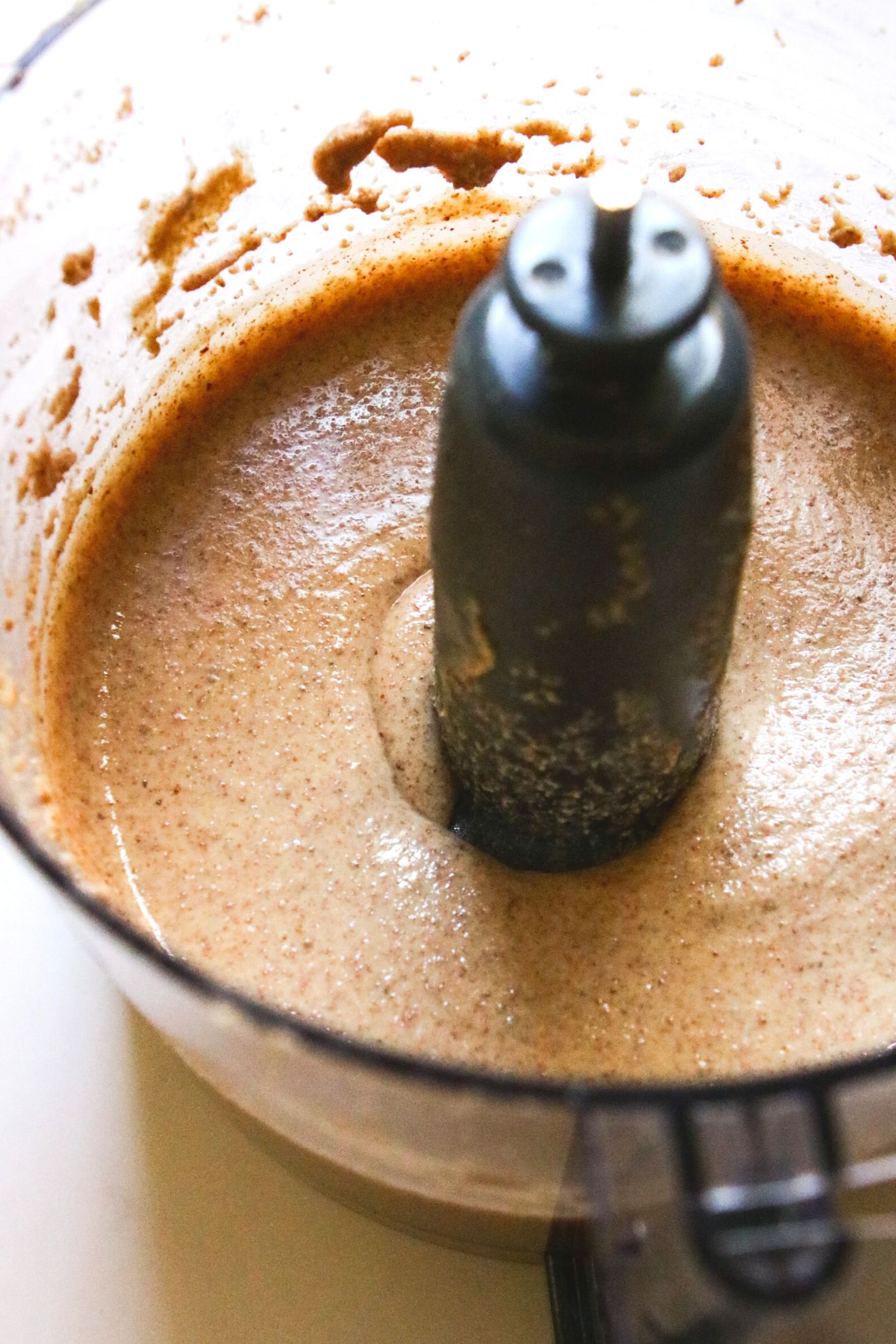
- Stage 4 (8-12+ minutes): The paste will suddenly loosen, becoming liquid and glossy as more oils are released. Keep processing until it reaches your desired super creamy, smooth consistency.
Throughout this process, you'll need to stop the food processor frequently (every 1-2 minutes) to scrape down the sides of the bowl. This ensures all the almonds are evenly processed and helps prevent the motor from overheating.
- Add Optional Ingredients: Once the almond butter is smooth and creamy, you can add your optional salt (to taste) and any neutral oil if you desire an even runnier consistency. Blend for another 30 seconds to incorporate fully.
- Taste and Adjust: Spoon a small amount onto a cracker or simply taste it. Adjust salt or other seasonings as desired.
Troubleshooting Tips for Perfect Creaminess
- Patience is a Virtue: The transformation from whole almonds to creamy butter takes time – often 8-15 minutes, depending on your food processor's power. Don't give up too soon!
- Scrape, Scrape, Scrape: Regularly pushing the almond paste down from the sides of the bowl ensures even processing and prevents dry spots.
- Give Your Processor a Break: If your food processor starts to get very hot, turn it off for a few minutes to cool down before resuming.
- Size Matters: Ensure you're processing a sufficient quantity of almonds for your food processor. Too small a batch might just get tossed around without properly engaging the blade.
Beyond the Basics: Exciting Flavor Variations for Your Homemade Almond Butter
Once you've mastered the foundational skill of how to make homemade almond butter, the real fun begins with customization. The beauty of DIY nut butter lies in its adaptability. Here are just a few ideas to spark your creativity:
- Sweet Delights:
- Honey or Maple Almond Butter: Stir in 1-2 tablespoons of honey or maple syrup during the last minute of processing for a naturally sweetened treat.
- Cinnamon Swirl: Add 1/2-1 teaspoon of ground cinnamon for a warm, aromatic touch.
- Vanilla Bean Dream: A half teaspoon of vanilla extract or a tiny scrape of vanilla bean paste creates an elegant flavor.
- Date-Sweetened: For a richer, caramel-like sweetness, blend in 2-3 pitted Medjool dates with the almonds from the start.
- Chocolate Lover's Heaven:
- Dark Chocolate Almond Butter: Add 1/4 cup of melted dark chocolate or 2-3 tablespoons of unsweetened cocoa powder (plus an extra tablespoon of sweetener if desired) towards the end of processing.
- Mocha Twist: Combine cocoa powder with a teaspoon of instant espresso powder for a sophisticated depth.
- Spicy & Savory Adventures:
- Smoked Paprika & Chili: A pinch of smoked paprika and a tiny dash of cayenne pepper can create a surprisingly delicious, slightly savory-spicy spread. Perfect for sandwiches or drizzling over roasted vegetables.
- Everything Bagel Seasoning: For the truly adventurous, stir in a teaspoon of everything bagel seasoning for a unique savory kick.
- Texture Play:
- Crunchy Almond Butter: After your butter is perfectly smooth, stir in a handful of finely chopped roasted almonds for delightful textural contrast.
- Seasonal Spice Blends:
- Pumpkin Spice: During autumn, add 1-2 teaspoons of pumpkin pie spice blend.
- Chai Spice: Blend in a mix of cardamom, ginger, cinnamon, and cloves for an exotic flavor.
Remember to add flavorings gradually and taste as you go, allowing you to fine-tune the intensity to your preference. Store your freshly made almond butter in an airtight container in the refrigerator, where it will stay fresh for up to 3-4 weeks.
Conclusion
Mastering how to make homemade almond butter is a truly rewarding endeavor. From the simple act of toasting raw almonds to witnessing their magical transformation into a silken spread, you're not just creating a condiment; you're crafting a healthier, tastier, and more economical alternative to anything you can buy. With just one core ingredient and the power of your food processor, you're on your way to enjoying a super creamy, customizable almond butter that's bursting with natural flavor. So, ditch the store-bought jars, embrace the DIY spirit, and savor the unparalleled taste of your very own homemade almond butter!
