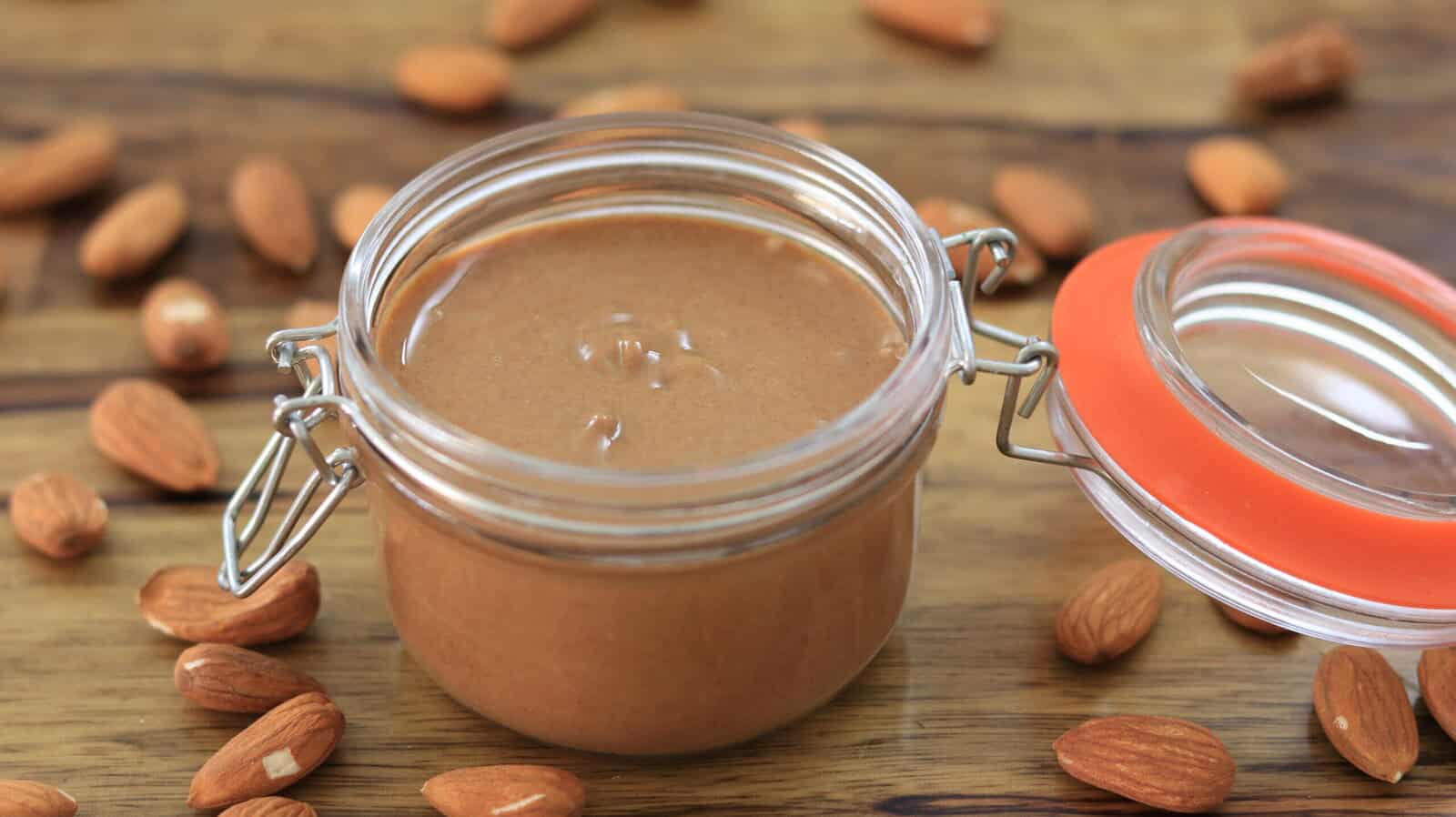
Roasted vs. Raw: Unlocking the Best Homemade Almond Butter Flavor
For anyone who’s ever spread a spoonful of creamy, rich almond butter on toast or stirred it into their morning oatmeal, the idea of making it at home might seem daunting. Yet, the truth is, creating your own homemade almond butter isn't just simple – it’s a revelation. Forget store-bought jars; once you experience the fresh, vibrant taste and customizable texture of DIY almond butter, you'll likely never look back. Not only is it a more affordable option, but it also allows you to control every ingredient, ensuring a pure, additive-free spread. But before you dive into the food processor, there's a crucial decision to make that significantly impacts the final flavor and texture: raw versus roasted almonds.
The Great Debate: Raw vs. Roasted Almonds for Your Butter
The choice between raw and roasted almonds isn't merely a preference; it’s a fundamental decision that dictates the character of your homemade almond butter. Each option brings distinct qualities to the table, influencing everything from the blending process to the depth of flavor. Understanding these differences is key to mastering
how to make homemade almond butter that perfectly suits your palate.
Raw Almonds: A Milder, More Delicate Profile
Starting with raw almonds for your homemade butter results in a product with a noticeably different personality. The flavor is lighter, more subtle, and carries a gentle sweetness that allows the natural essence of the almond to shine through. It's a clean, almost understated taste that can be a fantastic base for other flavor additions, or simply enjoyed for its pure simplicity.
However, raw almonds present a few unique challenges during the blending process. Because their natural oils are less exposed compared to roasted nuts, they tend to take longer to break down in the food processor. You might find yourself scraping down the sides more frequently, and the resulting butter can sometimes have a slightly thicker, denser consistency. In such cases, a touch of neutral oil, like avocado or canola oil, can be a helpful ally to achieve that desired silky smoothness. While it requires a bit more patience, the reward is a uniquely fresh and delicate spread.
Roasted Almonds: Unlocking Richness and Creaminess
For many, including specialty brands like Justin's, roasted almonds are the preferred foundation for almond butter – and for good reason. The roasting process works wonders, transforming the humble almond into a flavor powerhouse. Heat exposure deepens the nutty notes, creating a richer, more aromatic profile that's often described as warm, earthy, and even subtly caramelized. This intensified flavor is arguably what most people associate with classic almond butter.
Beyond taste, roasting almonds also makes them more cooperative in the food processor. The heat releases and activates the almonds' natural oils, causing them to break down faster and more efficiently. This typically translates to a quicker blending time and a consistently smoother, more velvety texture in the final butter. If your goal is a deeply flavorful, super creamy spread reminiscent of your favorite store-bought options, roasting your almonds before you start is an essential step. It truly elevates the experience of
how to make homemade almond butter.
My Recommendation: The Power of Roasting
While raw almond butter certainly has its place for those seeking a milder, purer taste, for the majority of homemade almond butter enthusiasts, I lean heavily towards freshly roasted almonds. The depth of flavor, the ease of blending, and the resulting velvety texture are simply unmatched. Roasting your own raw almonds at home ensures maximum freshness and allows you to control the roast level – from a light golden hue to a deeper, more pronounced toast. This hands-on approach guarantees the freshest, most aromatic base for your almond butter.
Essential Ingredients Beyond the Nut for Your DIY Almond Butter
While almonds are undeniably the star, a couple of supporting players can truly enhance your homemade creation. When considering
how to make homemade almond butter, these optional additions can make a significant difference.
A Pinch of Salt: The Flavor Enhancer
Salt is more than just a seasoning; it’s a flavor amplifier. A small dash of sea salt or Himalayan pink salt can dramatically bring out the natural sweetness and nuttiness of the almonds, creating a more balanced and appealing taste profile. It’s entirely optional, but highly recommended for a truly gourmet feel.
Optional Neutral Oil: The Consistency Booster
As mentioned, especially when working with raw almonds or if your almonds are on the drier side, a neutral-flavored oil can be a game-changer for achieving that desired super creamy consistency. Options like peanut oil, avocado oil, or canola oil are excellent choices as they won't overpower the delicate almond flavor. Start with a teaspoon and add more gradually, if needed, until your butter reaches your preferred smoothness. Often, a good quality, fresh almond will require no oil at all, a testament to the simplicity of making
Super Creamy Almond Butter: Just 1 Ingredient & Flavor Variations.
The Art of Making Homemade Almond Butter: Step-by-Step Perfection
Now that you understand the nuances of raw vs. roasted, let's delve into the practical steps of
how to make homemade almond butter. The process is surprisingly straightforward, requiring minimal ingredients and just a powerful food processor.
1. Prepping Your Almonds (If Roasting)
If you've opted for the roasted route (which I highly recommend!), preheat your oven to 350°F (175°C). Spread your raw almonds in a single layer on a baking sheet. Roast for 10-15 minutes, stirring once halfway through, until they are fragrant and lightly golden. Keep a close eye on them to prevent burning. Once roasted, allow them to cool completely. This is a crucial step; warm almonds release steam and can affect the final texture.
2. The Blending Process: Patience is a Virtue
Transfer your cooled almonds (raw or roasted) to the bowl of a high-powered food processor fitted with an S-blade. This is where the magic happens, but it requires patience. The almonds will go through several stages:
* **Coarse Meal (1-2 minutes):** The almonds will break down into a coarse, flour-like consistency.
* **Sticky Ball (3-5 minutes):** The natural oils will begin to release, causing the meal to clump together into a ball.
* **Thick Paste (5-8 minutes):** The ball will start to break down into a thick, chunky paste. You'll need to stop and scrape down the sides of the bowl frequently during this stage.
* **Creamy Butter (8-15 minutes, or more):** The paste will gradually transform into a smooth, pourable almond butter. Continue processing until it reaches your desired consistency. This can take anywhere from 8 to 20 minutes depending on your food processor's power and the type of almonds used. Remember the goal of
Easy Homemade Almond Butter: Fresher, Cheaper, Better Than Store-Bought is a truly superior product.
3. Seasoning and Achieving Desired Consistency
Once your almond butter is smooth, add your optional salt and any other desired flavorings (like a touch of honey, cinnamon, or vanilla extract). Process for another 30 seconds to incorporate. If the butter is too thick, or if you're aiming for an extra-silky texture, drizzle in a teaspoon of neutral oil at a time while the processor is running, until you achieve your preferred consistency.
4. Don't Peel the Skins!
A common question arises: "Do I need to peel almonds for almond butter?" The answer is a resounding no! The skins blend in perfectly smoothly, adding valuable fiber, a hint of earthy flavor, and a naturally deeper color to your butter. Skipping this step saves you a lot of time and effort without compromising the quality of your homemade spread.
Tips for the Ultimate Homemade Almond Butter Experience
To ensure your homemade almond butter is nothing short of perfection, keep these expert tips in mind:
* **Invest in a Good Food Processor:** A powerful machine with a sharp S-blade is crucial for efficiently breaking down the almonds and achieving a super creamy texture. Blender's sometimes struggle with this task.
* **Patience, Patience, Patience:** Don't rush the blending process. It can take up to 20 minutes, but the transformation from hard nuts to silky butter is worth every second.
* **Scrape Down Regularly:** Almonds tend to stick to the sides of the food processor bowl. Stopping to scrape them down every few minutes ensures even processing and prevents your machine from overheating.
* **Store Properly:** Transfer your freshly made almond butter to an airtight container or jar. It can be stored at room temperature for up to two weeks, or in the refrigerator for up to a month (where it will firm up slightly).
Conclusion
Making your own almond butter at home is a rewarding culinary adventure that yields a product far superior to most store-bought alternatives. The fundamental choice between raw and roasted almonds allows you to tailor the flavor profile to your exact preference, with roasted almonds often delivering that rich, deep, and creamy experience many crave. By understanding the simple steps and a few key tips, you're now equipped with the knowledge of
how to make homemade almond butter that is fresher, more flavorful, and uniquely yours. So, gather your almonds, fire up your food processor, and prepare to elevate your snack game with this wholesome, delicious spread!